
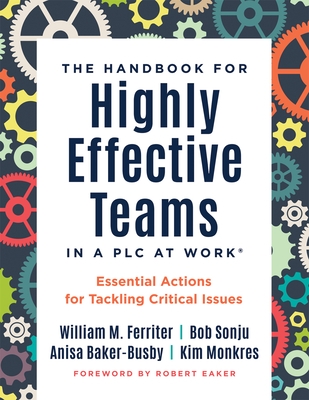
Effective teams enhance learning and address diverse student needs. This guide outlines steps for building highly effective teams, including establishing norms, setting SMART goals in education, leveraging data-driven instruction, and providing differentiated instruction. By integrating strategies like the teaching-learning cycle within professional learning communities (PLCs), teams can promote student learning and improve outcomes through collaboration and inclusive practices.
K-12 administrators and teachers can use this book to:
- Identify 23 critical actions to build maximally impactful teams
- Establish clear criteria and assessment protocols by which to measure student learning
- Receive tools and resources for every foundational topic
- Structure and pace lessons to support students who struggle and inspire those who excel
- Improve instructional practices and strategies through regular analysis of student results
Contents:
Introduction: The Promise of Highly Effective Teams
Part 1: Highly Effective Teams Have a Common Foundation
Chapter 1: Essential Action–Identify Team Roles, Norms, and Protocols
Chapter 2: Essential Action–Outline a Process for Addressing Personality Interference With Teamwork
Chapter 3: Essential Action–Analyze Achievement Data and Establish SMART Goals
Chapter 4: Essential Action–Formally Evaluate the Team’s Effectiveness at Least Twice Yearly
Part 2: Highly Effective Teams Focus on Learning for All Students
Chapter 5: Essential Action–Ensure Clarity on the Knowledge, Skills, and Dispositions Students Will Acquire
Chapter 6: Essential Action–Collectively Study Essential Learning and Clearly Define Mastery
Chapter 7: Essential Action–Establish Clear Criteria for Student Work and Continually Apply Those for Consistency
Chapter 8: Essential Action–Identify Prerequisite Knowledge and Skills Needed to Master Essential Learning
Chapter 9: Essential Action–Teach Students the Criteria We Use in Judging Their Work
Chapter 10: Essential Action–Make Visible a Set of Exemplars for Students
Chapter 11: Essential Action–Use Short-Term Goal Setting
Chapter 12: Essential Action–Identify Course Content and Topics We Can Eliminate to Devote More Time to Essential Curriculum
Chapter 13: Essential Action–Agree How to Sequence Content and Pace the Course
Chapter 14: Essential Action–Use Materials and Professional Expertise to Identify Instructional Strategies
Part 3: Highly Effective Teams Effectively Use Assessments and Data
Chapter 15: Essential Action–Use Team-Created Pretests to Assess Prerequisite Knowledge and Skills
Chapter 16: Essential Action–Develop Common Formative Assessments for Frequent Administration
Chapter 17: Essential Action–Administer Common Formative Assessments Throughout a Unit
Chapter 18: Essential Action–Use Standardized Testing Data and District Benchmarks to Assess Strengths and Weaknesses
Chapter 19: Essential Action–Use Team Assessment Results to Identify Students in Need of Additional Time and Support
Chapter 20: Essential Action–Use Assessment Results to Identify Strategies That Help More Students Master Essentials
Part 4: Highly Effective Teams Provide Extra Time and Support for Learning
Chapter 21: Essential Action–Develop Strategies and Systems to Help Students Acquire Prerequisite Knowledge and Skills
Chapter 22: Essential Action–Create Flexible Time During Units to Provide Extra Support
Chapter 23: Essential Action–Provide Regular Extensions to Students Working Beyond Grade Level
Epilogue
References and Resources
Index
Author: William M. Ferriter,Bob Sonju,Anisa Baker-Busby
Binding Type: Paperback
Publisher: Solution Tree
Published: 05/12/2025
Pages: 272
Weight: 1.67lbs
Size: 10.88h x 8.52w x 0.45d
ISBN: 9781962188005
Language: English


Reviews
There are no reviews yet.